


Serious injuries often happen in ordinary places, a grocery store aisle, an apartment stairwell, or a neighbor’s backyard. After an accident on someone else’s property, many Virginians ask when property owners are liable for injuries to guests and what steps they should take next. Medical bills add up fast, workdays slip by, and families feel real strain, especially after a life-changing injury or loss.
Virginia law holds landowners accountable when they fail to keep their property reasonably safe for visitors. A strong claim requires careful investigation, proof that the owner knew or should have known about the danger, and clear documentation of losses.
If you or someone you love suffered harm on another’s property in Richmond or nearby communities, consider speaking with a premises liability attorney for a free consultation.
Key Takeaways: Premises liability claims in Virginia
- Different legal duties apply: Property owners in Virginia owe different levels of care depending on whether you’re an invitee, licensee, or trespasser.
- Danger must be addressed: Landowners must fix or warn about dangerous conditions they know about or should have discovered through reasonable inspections.
- Two-year filing deadline: You typically have two years from the date of injury to file a premises liability claim in Virginia.
- Knowledge is central: Proving a property owner knew or should have known about the hazard forms the backbone of a strong case.
- Early documentation matters: Photos, witness statements, incident reports, and prompt medical care strengthen your ability to pursue compensation.
What is premises liability under Virginia law?
Premises liability refers to a property owner’s legal responsibility for injuries caused by unsafe conditions on their land or in their buildings. Virginia courts focus on whether the owner acted reasonably and whether the injured person had permission to be on the property.
A slip on a wet grocery store floor, a fall caused by a loose apartment handrail, or an assault in a poorly lit parking lot may all raise questions about a landowner’s duty. Each case depends on details, including what the owner knew and what steps could have prevented harm.
The legal duty property owners owe to visitors
Property owners must maintain their premises in a reasonably safe condition for certain visitors. Store owners must inspect aisles for spills and repair hazards within a reasonable time. Apartment managers must keep common areas, such as stairwells and sidewalks, safe for tenants and guests.
Virginia law does not require perfection. Owners must address dangers they know about and those they would have discovered through ordinary inspections.
When a property owner breaches their duty of care
A breach occurs when an owner fails to fix or warn about a hazardous condition within a reasonable time. For example, ignoring a spill for hours without cleaning it or placing warning signs may support liability.
Landlords who disregard repeated complaints about broken steps also risk responsibility when someone falls.
Types of properties where injuries trigger liability
Premises liability claims arise in many settings:
- Retail stores and shopping centers
- Apartment complexes and rental homes
- Hotels and motels
- Private residences
- Parking lots and recreational areas
The key question remains the same: did the owner act reasonably to prevent foreseeable harm?
Does your legal status on the property matter?
Virginia law classifies visitors into categories. Your status affects the level of care the property owner owes you.
Invitees receive the highest level of protection
Invitees enter property for the owner’s benefit, such as customers or tenants. Owners owe invitees a duty to inspect for hazards, repair unsafe conditions, and provide warnings when immediate repair is not possible.
Store owners, for example, must regularly check for spills, broken tiles, or uneven flooring.
Licensees are owed a warning about known dangers
Licensees enter property for their own purposes with permission, such as social guests. Owners must warn licensees about known dangers that are not obvious.
If a homeowner knows a deck board feels loose and says nothing before guests step outside, that failure may support a claim.
Limited rights for trespassers in Virginia
Trespassers enter property without permission. Property owners owe limited duties, typically avoiding intentional harm or reckless conduct. Special rules may apply to children in certain situations, especially involving pools.
What dangerous conditions make property owners liable?
Unsafe conditions take many forms. Some hazards come from poor maintenance, while others involve security failures.
Slip and fall hazards: Wet floors, uneven surfaces, and poor lighting
Spills, loose rugs, cracked sidewalks, and dim lighting cause serious injuries every year.
Falls often lead to broken bones or head trauma. Richmond hospitals such as VCU Medical Center and Bon Secours St. Mary’s Hospital frequently treat fall-related injuries.
Henrico Doctors’ Hospital and Patient First urgent care centers also see many patients after slip and fall incidents.
Owners must monitor for these conditions and act promptly.
Structural defects: Broken stairs, railings, and decks
Loose handrails, rotting porch boards, and unstable balconies create clear safety risks.
Landlords and homeowners must repair known structural issues within a reasonable time.
Inadequate security leading to assault or injury
Property owners may face liability when poor security measures contribute to foreseeable criminal acts.
Apartment complexes may need proper lighting, secure locks, or working gates. Ignoring repeated incidents can expose management to claims.
Swimming pool and recreational hazards
Pools require fencing, secure gates, and safety measures. A broken latch or missing barrier can lead to tragic injuries.
Gyms and playgrounds also demand proper upkeep.
Dog bites and animal attacks on private property
Virginia law holds dog owners responsible in certain situations when their animals injure guests.
Owners who know a dog poses a danger must take reasonable steps to protect visitors.
How do you prove a property owner knew about the danger?

Proof of knowledge forms the foundation of most premises liability cases. Courts look for evidence that the owner had actual or constructive knowledge.
Actual knowledge: When the owner directly knew of the hazard
Actual knowledge exists when the owner or employees saw the hazard, received complaints, or created the dangerous condition. Maintenance logs showing prior reports may demonstrate awareness.
Constructive knowledge: When the owner should have known
Constructive knowledge arises when a hazard existed long enough that a reasonable inspection would have discovered it. Surveillance footage often helps establish this.
The importance of inspection and maintenance records
Inspection logs, cleaning schedules, and maintenance reports can reveal patterns of neglect. Missing or inconsistent records may raise serious questions about safety practices.
What damages can you recover in a Virginia premises liability case?
An injury on unsafe property affects many parts of your life. Virginia law allows injured people to seek recovery for documented losses.
Medical expenses: Past and future treatment costs
Emergency care at VCU Medical Center, follow-up visits, surgeries, therapy, and medication often result in significant bills. Claims may include both current expenses and anticipated future treatment.
Lost wages and diminished earning capacity
Time away from work leads to lost income. Some injuries limit a person’s ability to return to the same job.
Pain and suffering compensation
Pain, mobility limits, and lasting discomfort often follow serious injuries. Virginia law permits recovery for these harms when supported by medical evidence.
Property damage in some cases
Falls sometimes damage personal property, such as eyeglasses or phones. A claim may include repair or replacement costs.
What is Virginia’s statute of limitations for premises liability claims?
Most premises liability cases must be filed within two years of the injury date. Acting quickly allows attorneys to gather evidence before it disappears, such as surveillance footage.
Exceptions that may extend or shorten your filing window
Certain cases involve different deadlines. Claims involving minors or government entities may follow different timelines.
What happens if you miss the deadline
Courts generally dismiss cases filed after the statute of limitations expires. Insurance companies often refuse meaningful negotiations once the deadline passes.
What evidence should you gather after a property injury?
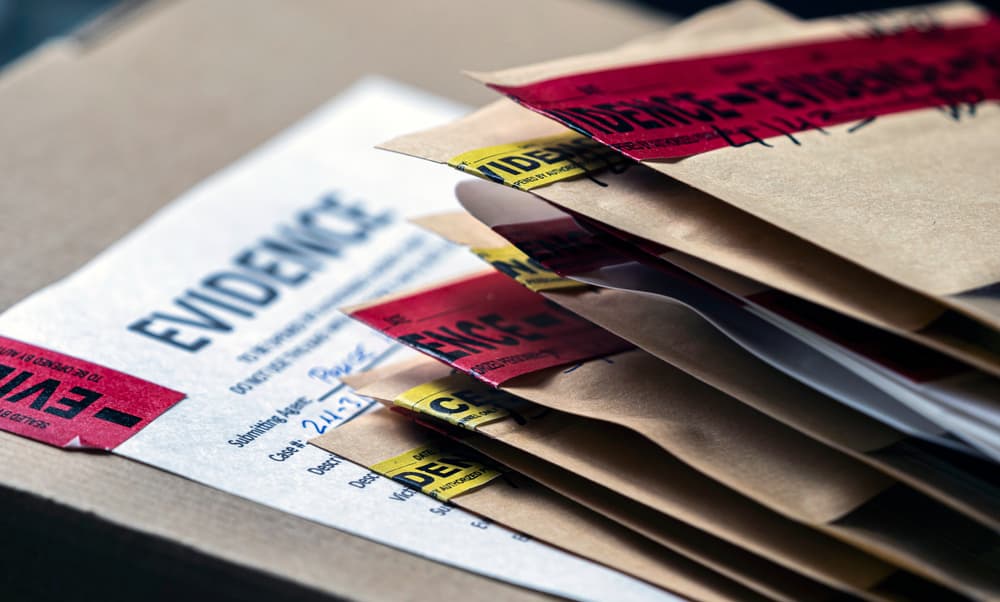
Strong evidence often determines whether a claim moves forward.
Photographing the scene and your injuries
Take photos of the hazard, your injuries, and surrounding conditions, including lighting and warning signs.
Getting contact information from witnesses
Witnesses may later confirm how the accident occurred or how long the hazard existed.
Requesting incident reports and surveillance footage
Ask the property manager or store employee to complete an incident report. Request a copy. Surveillance footage can provide key proof.
Preserving medical records that link your injuries to the accident
Seek medical attention promptly. Doctors at Henrico Doctors’ Hospital or urgent care centers like Ortho On-Call create records connecting injuries to the incident date.
What common defenses do property owners use?
Property owners and insurers frequently raise defenses to limit payouts.
Arguing you were trespassing or had limited legal status
Owners may claim you lacked permission to be on the property.
Claiming the danger was open and obvious
An owner may argue a reasonable person would have noticed the hazard. Courts evaluate whether the condition truly stood out.
Asserting they had no notice of the hazardous condition
Insurers often state the owner had no knowledge of the danger. Evidence about inspections and complaints helps counter this.
Challenging the severity of your injuries
Adjusters may question whether injuries resulted from the incident. Consistent medical records help address this tactic.
How our firm can help

Allen & Allen has represented injured Virginians for more than a century. Since 1910, our firm has built its reputation on integrity, respect, compassion, and trust.
We commit to more than simply providing you with legal representation. We commit to making your fight our fight, ensuring you are treated fairly by the insurance companies, and obtaining justice on your behalf. That’s what we mean when we say, “I am an Allen.”
Our team investigates premises liability claims thoroughly. We gather maintenance logs, interview witnesses, review surveillance footage, and work to uncover evidence property owners may overlook. Acting quickly allows us to preserve records and build a clear timeline.
During your free consultation, we listen carefully, review documents, and explain potential next steps. Our firm works on a contingency fee basis, which means you pay no attorney’s fees unless we secure a recovery through settlement or verdict.
FAQs about premises liability claims in VA
How long do I have to report my injury to the property owner?
Virginia law does not set a strict deadline for reporting most premises injuries. Prompt reporting creates a written record close in time to the event.
Can I sue if I was injured at a friend’s or family member’s house?
Homeowner’s insurance policies typically cover these claims. A lawsuit usually seeks payment from the insurance policy rather than personal assets.
What if the property owner blames me for not watching where I was going?
Owners often argue a hazard was open and obvious. Courts examine whether a reasonable person would have noticed the danger under the same conditions.
Do I need to hire a lawyer for a premises liability claim?
Insurance companies often respond differently when an injured person has representation. Proving an owner should have discovered a hazard requires investigation and records. Contingency fee arrangements mean no upfront cost.
What if my injuries didn’t seem serious at first but got worse?
Delayed symptoms happen often. Seek medical evaluation even if pain seems minor at first. Medical records help connect worsening conditions to the accident.
Let our skilled premises liability attorneys in Virginia help
Time moves quickly after a property injury. Evidence disappears, deadlines approach, and medical bills increase. Allen & Allen brings more than a century of commitment to Virginia families.
Our firm stands on integrity, respect, compassion, and trust. We treat each client as a person, not a case number. From Richmond to surrounding communities, we work to hold property owners accountable and pursue fair financial recovery based on the facts of your case.
If you or a loved one suffered harm on someone else’s property, reach out to Allen & Allen for a free consultation. Our team will listen, answer questions, and explain how we can move your claim forward with care and determination.