


A serious crash involving a commercial truck often raises one pressing question: Who can be responsible for a truck accident caused by a defective tire? Unlike a typical car accident, these cases often involve multiple companies, federal safety rules, and product defects that go far beyond driver behavior. A single tire failure on an 80,000-pound truck can trigger devastating consequences within seconds.
Virginia law allows injured people to pursue claims against several parties when a defective tire plays a role. A truck driver, trucking company, tire manufacturer, or maintenance provider may each share responsibility depending on what went wrong. Legal options exist for those injured, and a qualified attorney can investigate the cause, identify liable parties, and help build a strong claim.
Speaking with a Virginia product liability attorney near you can provide direction during a free consultation.
Key takeaways: who can be responsible for a truck accident caused by a defective tire
- Defective tire truck accidents in Virginia can involve multiple liable parties, including the truck driver, trucking company, tire manufacturer, and maintenance provider
- Virginia follows contributory negligence rules, meaning how fault is assigned can significantly affect your ability to recover compensation
- Both negligence law and product liability law may apply in defective tire truck accident cases
- Federal motor carrier safety regulations set standards that trucking companies and drivers must meet. Violations can strengthen your claim
- Acting quickly after a truck accident matters because evidence can disappear fast and Virginia’s statute of limitations restricts how long you have to file
What makes defective tire truck accidents different?
Defective tire crashes differ from standard collisions because the cause often lies beneath the surface. A worn or poorly manufactured tire may fail without warning, leaving little time for the driver or nearby motorists to react.
The size and weight factor: why commercial truck tire failures are so dangerous
A passenger vehicle tire blowout feels dangerous, but a tractor-trailer blowout carries far greater risk. Large trucks weigh many times more than a standard car, and that weight creates intense pressure on each tire. When one fails, the truck may swerve, jackknife, or roll over. 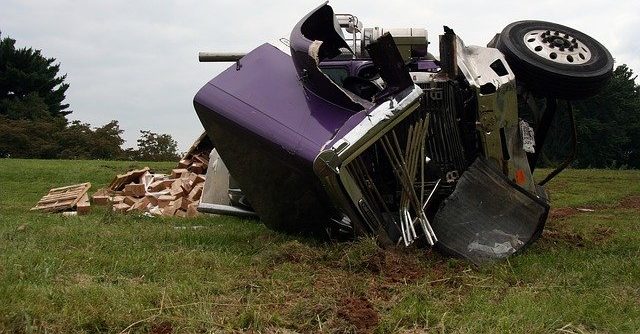
Drivers behind or beside the truck often have no chance to avoid impact. Debris from a shredded tire can also strike nearby vehicles at high speeds.
How tire defects differ from driver error in truck accident cases
Many crashes involve driver mistakes like speeding or distraction. Defective tire cases shift attention toward mechanical failure. A driver may have followed every rule and still lose control due to a tire separation or internal defect.
This distinction matters because it opens the door to claims against manufacturers and maintenance providers, not just drivers.
Common types of tire defects seen in commercial truck accidents
Several tire issues show up repeatedly in truck accident investigations:
- Tread separation: The outer layer of the tire peels away while driving
- Manufacturing defects: Weak materials or poor bonding during production
- Design flaws: Tires built in a way that increases failure risk under normal use
- Improper retreading: Reused tires that were not safely restored
Each of these defects may support a claim involving tire blowout truck accident liability.
Who can be held liable for a defective tire truck accident in Virginia?
Multiple parties often share responsibility in these cases. Each plays a role in keeping the truck safe on the road.
The truck driver
Drivers must inspect their vehicles before and during trips. Federal rules require them to check tire condition, pressure, and visible damage.
A driver who ignores worn tires or continues driving after noticing a problem may bear part of the blame.
The trucking company
Trucking companies control maintenance schedules, hiring, and safety policies. They must ensure that all vehicles in their fleet meet safety standards.
A company that cuts corners on maintenance or pressures drivers to stay on the road despite safety concerns may face liability.
The tire manufacturer
Manufacturers must produce tires that meet safety standards and perform as expected. A defect during design or production can create dangerous conditions.
Claims involving product liability in a truck accident often target manufacturers when a tire fails despite proper use and maintenance.
The tire repair or maintenance company
Maintenance providers inspect, repair, and replace tires. Poor workmanship or missed warning signs can lead to tire failure.
For example, a shop that fails to detect internal damage or installs a defective retread may contribute to a crash.
Third-party cargo loaders
Improper loading can place uneven weight on tires. Overloaded or unbalanced cargo increases stress and raises the risk of blowouts.
A loading company that fails to follow weight limits or distribution guidelines may share responsibility.
What Virginia laws apply to defective tire truck accident claims?
Virginia law blends traditional negligence rules with product liability principles in these cases.
Virginia negligence law and the contributory negligence rule
Virginia follows a strict contributory negligence rule. If an injured person shares even a small percentage of fault, recovery may not be available.
This rule places strong emphasis on proving that other parties caused the crash.
Virginia product liability law
Product liability law allows injured individuals to pursue claims against manufacturers and distributors of defective products.
A tire that fails due to a design flaw or manufacturing issue may support a claim even if no one else acted carelessly.
Federal Motor Carrier Safety Administration (FMCSA) regulations
FMCSA regulations set safety standards for commercial trucks. These rules cover tire inspections, maintenance, and weight limits.
Violations can serve as strong evidence when building a case.
Virginia Code § 8.01-243: the statute of limitations for personal injury claims
Virginia law generally allows two years from the date of injury to file a personal injury lawsuit.
Missing this deadline may prevent you from pursuing a claim, so early action matters.
How do you prove liability in a defective tire truck accident case?
Building a strong case requires careful investigation and evidence collection.
Establishing negligence against the driver or trucking company
Attorneys often review driver logs, inspection reports, and maintenance records. These documents can show whether proper safety steps were followed.
A pattern of skipped inspections or ignored warnings may support a negligence claim.
Building a product liability claim against the tire manufacturer
Product claims focus on the condition of the tire itself. Evidence may include design documents, manufacturing records, and recall history.
A tire that failed under normal conditions may indicate a defect.
Key evidence used to prove defective tire claims in Virginia
Strong cases rely on detailed evidence, such as:
- Tire remnants: Pieces of the failed tire help determine the cause
- Maintenance records: Show how the tire was handled before the crash
- Inspection logs: Reveal whether issues were noted and addressed
- Black box data: Provides information about speed and braking
These details often support a defective truck tire personal injury claim.
The role of accident reconstruction experts and tire forensic analysts
Specialists analyze crash scenes and tire failures to determine what happened. Their findings can explain whether a defect, maintenance issue, or driver action caused the crash.
Their work often becomes a key part of presenting the case.
What compensation can you recover after a defective tire truck accident in Virginia?
A claim may include several types of damages depending on the injuries and losses involved.
Economic damages: medical bills, lost wages, and future care costs
Medical expenses often begin immediately after a crash. Emergency care may take place at facilities such as VCU Medical Center, Bon Secours St. Mary’s Hospital, or Chippenham Hospital in Richmond.
Ongoing care, rehabilitation, and missed work may add to financial strain.
Non-economic damages: pain, suffering, and loss of enjoyment of life
Injuries often affect daily life in ways that go beyond medical bills. Pain, reduced mobility, and lifestyle changes may all factor into a claim.
Punitive damages: when egregious conduct is involved
Courts may award punitive damages when a party shows reckless disregard for safety. For example, knowingly using unsafe tires could lead to additional penalties.
How can a Virginia truck accident attorney help?
A truck accident attorney plays a central role in building and presenting your case.
Identifying all liable parties and insurance coverage
Multiple companies often carry separate insurance policies. An attorney can identify each source of coverage and include all responsible parties.
Working with a Virginia truck accident attorney helps ensure no potential claim gets overlooked.
Preserving critical evidence before it disappears
Evidence such as tire fragments, vehicle data, and maintenance records may disappear quickly. Early legal action can help preserve these materials.
Navigating product liability and negligence claims simultaneously
These cases often involve both negligence and product claims. Handling both at once requires careful coordination of evidence and legal arguments.
Negotiating with trucking companies and their insurers
Insurance companies often attempt to reduce payouts or shift blame. Legal representation helps protect your interests during negotiations.
Taking your case to trial if necessary
When insurers refuse to offer a reasonable resolution, a case may proceed to court. Preparation from the start strengthens your position.
Why choose Allen & Allen
Choosing a law firm after a serious truck accident often comes down to trust, experience, and how you’re treated from day one. Allen & Allen has served Virginia communities for more than a century, and that history shapes how we approach every case.
Guided by core values
Our firm was built on four core values: integrity, respect, compassion, and trust. Those values still guide our work today.
Since 1910, we’ve stood beside injured individuals and families, helping them take meaningful steps forward after life-changing events. 
A commitment that goes beyond legal representation
We believe legal representation should go beyond paperwork and court filings. We commit to more than simply providing you with legal representation.
We commit to making your fight our fight, ensuring you are treated fairly by the insurance companies, and pursuing justice on your behalf.
Experience handling complex truck accident cases
Truck accident cases involving defective tires often include multiple parties, technical evidence, and strict federal regulations. Our team understands how to investigate these cases, uncover what caused the tire failure, and identify every responsible party.
We work with trusted professionals in accident reconstruction and tire analysis to strengthen your claim.
Clear communication every step of the way
Clients often tell us they appreciate how we communicate. You’ll receive updates, clear explanations, and answers to your questions along the way.
We know that after an accident, you’re dealing with medical appointments, missed work, and uncertainty. Our role is to handle the legal side so you can focus on recovery.
No upfront fees, no added pressure
Our fee structure also reflects our commitment to access. You won’t pay upfront legal fees. Payment comes from the outcome of your case, which allows you to move forward without added financial pressure.
At Allen & Allen, we take pride in standing up for people across Virginia. That’s what we mean when we say, “I am an Allen.”
Frequently asked questions about tire defect accident claims in VA
Can I still recover compensation if I was partly at fault for the truck accident?
Virginia’s contributory negligence rule limits recovery if you share fault. A detailed investigation may help clarify who caused the crash.
How long does a defective tire truck accident lawsuit take in Virginia?
Timelines vary based on the number of parties involved and the evidence required. Some cases resolve through settlement, while others proceed to trial.
What if the trucking company disputes that the tire was defective?
Attorneys may rely on tire analysis, maintenance records, and expert testimony to challenge those claims and present evidence of a defect.
Can I sue both the trucking company and the tire manufacturer in the same lawsuit?
Yes. Virginia law allows claims against multiple parties when each contributed to the accident.
What should I do at the accident scene to protect my claim?
Seek medical care right away, even if injuries seem minor. Facilities like Patient First Richmond urgent care or local emergency rooms can document injuries. If possible, take photos, gather contact information, and avoid discussing fault.
Contact our product liability attorneys in VA now
Time plays a major role after a truck accident. Evidence may disappear, and Virginia’s filing deadline limits how long you have to act.
You deserve clear answers about your situation. Our team can review your case, explain your options, and help you move forward with confidence. Contact Allen & Allen today for a free consultation.