



Muchas personas confían en que los neumáticos de su vehículo funcionen de forma segura a altas velocidades y en tráfico denso, por lo que una falla repentina suele dejar a las familias conmocionadas y buscando respuestas. Las lesiones o la pérdida de un ser querido en este tipo de accidentes conllevan gastos médicos, ausencias laborales y una profunda pérdida personal que trasciende el lugar del accidente.
La orientación legal ayuda a determinar la responsabilidad cuando los neumáticos defectuosos y los accidentes automovilísticos protegen su derecho a reclamar una indemnización por las pérdidas causadas por un producto peligroso. Hablar con un abogado de productos defectuosos Una consulta gratuita cerca de usted ofrece un camino hacia la responsabilidad y la claridad durante un momento doloroso.
Programe una consulta gratuita
Conclusiones clave: los neumáticos defectuosos causan accidentes automovilísticos en Virginia.
- Los neumáticos defectuosos pueden fallar sin previo aviso y provocar accidentes graves a altas velocidades en autopista.
- Los accidentes relacionados con los neumáticos a menudo implican responsabilidades que van más allá del conductor, incluyendo a los fabricantes y vendedores.
- Las leyes de Virginia sobre responsabilidad por productos defectuosos y negligencia rigen la mayoría de las reclamaciones por accidentes causados por neumáticos defectuosos.
- Pruebas como las retiradas de productos y la conservación de los neumáticos desempeñan un papel fundamental en estos casos.
- Un abogado puede investigar el defecto, identificar a los responsables y reclamar una indemnización.
¿Qué se considera un defecto en un neumático según la ley de Virginia?
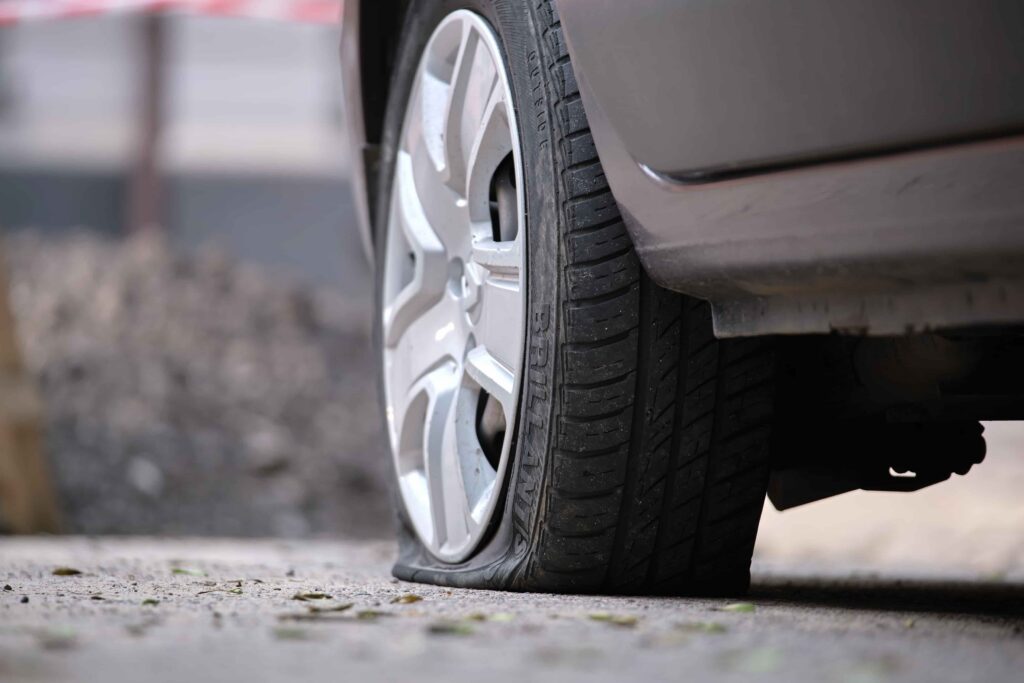
La ley de Virginia reconoce que los neumáticos deben cumplir con las expectativas razonables de seguridad cuando se usan según lo previsto. Existe un defecto cuando un neumático expone a los conductores a riesgos que un diseño, producción o advertencias adecuados habrían evitado. Varias teorías legales respaldan estas afirmaciones, cada una centrada en una etapa diferente del ciclo de vida del neumático.
Defectos de fabricación que se producen durante la producción de neumáticos
Los defectos de fabricación surgen cuando se producen errores en la línea de producción. Un diseño de neumático puede parecer seguro sobre el papel, pero los errores durante el montaje debilitan su estructura. Por ejemplo, las capas de caucho desiguales que atrapan burbujas de aire o una unión inadecuada entre los componentes pueden provocar una falla repentina.
Estos problemas afectan únicamente a determinados lotes, y no a todos los neumáticos del mismo modelo. Cuando un solo paso en falso provoca un reventón o la separación de la banda de rodadura, la ley de Virginia permite a los conductores lesionados demandar a la parte o partes responsables de esa negligencia.
Defectos de diseño que hacen que los neumáticos sean inherentemente inseguros.
Los defectos de diseño afectan a todos los neumáticos fabricados bajo el mismo plan. Los ingenieros pueden elegir materiales o estructuras que no soportan las tensiones normales de la conducción. Un dibujo de la banda de rodadura que se desgasta con facilidad o unos flancos poco resistentes generan un peligro previsible. Ni siquiera una fabricación meticulosa puede corregir un diseño que pone en riesgo a los conductores.
Los tribunales examinan si existía un diseño alternativo más seguro en el momento de la producción y si el fabricante ignoró los riesgos conocidos.
Defectos de marketing como la falta de advertencia o instrucciones inadecuadas
Los defectos de marketing se centran en advertencias faltantes o poco claras. Los fabricantes y vendedores de neumáticos deben compartir información sobre los límites de carga, los índices de velocidad y el inflado adecuado. Sin instrucciones claras, los conductores pueden usar incorrectamente un neumático sin saberlo. La falta de advertencias sobre la sensibilidad al calor o la vida útil limitada expone a los consumidores a riesgos.
La ley de Virginia considera estas omisiones como un fundamento de responsabilidad cuando contribuyen a un accidente.
¿Cómo provocan accidentes de tráfico los neumáticos defectuosos?
Las fallas en los neumáticos suelen ocurrir sin previo aviso y dejan a los conductores con poco tiempo para reaccionar. La pérdida repentina de estabilidad pone a los vehículos en peligro inmediato, especialmente a altas velocidades. En los informes de accidentes de Virginia se observan varios patrones comunes de fallas.
Separación de la banda de rodadura y pérdida repentina del control.
La separación de la banda de rodadura ocurre cuando la goma exterior se desprende del cuerpo del neumático. Los fragmentos sueltos pueden golpear el vehículo o el tráfico cercano. Los conductores suelen sentir una vibración intensa seguida de un desvío brusco que dificulta la dirección. Este fallo suele estar relacionado con una mala adherencia durante la producción o con decisiones de diseño deficientes.
Reventones de neumáticos a velocidades de autopista
Un reventón libera aire al instante. El fuerte estallido y la caída inmediata de presión pueden sacudir el volante y desviar el coche de su carril. Los reventones en autopistas concurridas suelen provocar vuelcos o colisiones múltiples. La acumulación de calor en condiciones normales de conducción influye considerablemente en estos incidentes cuando el neumático carece de la resistencia adecuada.
Fallos en los flancos y debilidades estructurales
Los flancos soportan el peso del vehículo y absorben los impactos de la carretera. Los defectos en esta zona pueden provocar que el neumático se desinfle tras chocar con un bache o un bordillo. Incluso impactos moderados pueden causar una falla si los cordones internos carecen de la resistencia necesaria. Los conductores pueden perder el control antes de darse cuenta de lo sucedido.
Pérdida de tracción debido a compuestos de caucho defectuosos
Los compuestos de caucho afectan el agarre en pavimentos secos o mojados. Una mezcla defectuosa puede endurecerse demasiado rápido o perder flexibilidad con el frío. La menor tracción aumenta la distancia de frenado y la probabilidad de derrape durante el frenado o los giros habituales. Estos defectos suelen detectarse mediante datos de pruebas o quejas de los consumidores.
¿Cuáles son los tipos más comunes de neumáticos defectuosos involucrados en accidentes?
Las cajas de neumáticos defectuosos abarcan una amplia gama de productos. Cada tipo presenta riesgos únicos según el tamaño y el uso del vehículo.
neumáticos para vehículos de pasajeros
Los neumáticos para turismos se utilizan en sedanes, SUV y camionetas ligeras. Los viajes a alta velocidad y los trayectos largos aumentan el desgaste de estos neumáticos. Los defectos en este tipo de neumáticos suelen provocar accidentes en autopista con lesiones graves.
Neumáticos para camiones comerciales y semirremolques
Los camiones de gran tamaño dependen de múltiples neumáticos para transportar cargas pesadas. Una sola falla puede provocar accidentes tipo tijera o riesgos de daños por escombros. Los neumáticos comerciales suelen implicar mayores riesgos debido a su tamaño y a los daños que causan cuando fallan.
Neumáticos usados y recauchutados
Los neumáticos usados y recauchutados atraen a compradores que buscan precios más bajos. Una inspección deficiente o procesos de recauchutado inadecuados aumentan el riesgo de desprendimiento. Los vendedores deben cumplir con las normas de seguridad al ofrecer estos productos al público.
Neumáticos de marcas desconocidas o importados con problemas de seguridad.
Algunos neumáticos importados evitan las pruebas rigurosas o utilizan materiales más baratos. Los registros de seguridad y el historial de retiradas del mercado suelen revelar problemas tras los accidentes. Estos casos pueden involucrar a fabricantes extranjeros y cadenas de suministro complejas.
¿Quién puede ser considerado responsable de un accidente causado por un neumático defectuoso en Virginia?
Las reclamaciones por neumáticos defectuosos suelen involucrar a varias partes. La ley de Virginia permite a las personas lesionadas demandar a cada entidad cuyas acciones contribuyeron al peligro.
fabricantes de neumáticos
Los fabricantes son responsables del diseño, la producción y las pruebas. Las pruebas pueden demostrar que se ignoraron los resultados de las pruebas o que se tomaron decisiones de reducción de costos que comprometieron la seguridad.
Diseñadores e ingenieros
Los profesionales del diseño influyen en la elección de materiales y en los planos estructurales. Cuando los diseños inseguros llegan al mercado, estas personas o sus empleadores pueden ser responsables.
Distribuidores y mayoristas
Los distribuidores trasladan los neumáticos de las fábricas a los minoristas. Un almacenamiento inadecuado o la omisión de retirar los productos retirados del mercado exponen a los conductores a riesgos.
Minoristas y talleres de automóviles
Los minoristas deben vender productos seguros y realizar una instalación correcta. Los talleres mecánicos que montan los neumáticos incorrectamente o ignoran los defectos visibles pueden contribuir a los accidentes.
Fabricantes de vehículos en ciertos casos
En ocasiones, los fabricantes de vehículos especifican tipos de neumáticos que no se ajustan al peso o al rendimiento del vehículo. En esos casos, la responsabilidad puede ir más allá del fabricante de neumáticos.
¿Qué leyes de Virginia se aplican a las reclamaciones por accidentes con neumáticos defectuosos?

Diversas normas jurídicas rigen estos casos y determinan cómo los tribunales evalúan las pruebas y la responsabilidad.
Principios de responsabilidad por productos defectuosos utilizados en los tribunales de Virginia
Virginia se rige por el derecho consuetudinario. principios de responsabilidad por productos defectuosos en lugar de una ley de responsabilidad objetiva. Los demandantes deben demostrar que un defecto hacía que el producto fuera irrazonablemente peligroso en el momento en que salió de las manos del demandado y que dicho defecto causó la lesión. Este enfoque otorga gran importancia a las pruebas y al análisis pericial.
Normas de negligencia aplicadas a casos de defectos en neumáticos
La negligencia se centra en la conducta irrazonable. Los fabricantes y vendedores deben actuar con la debida diligencia durante el diseño, la producción y la comercialización. El incumplimiento de los estándares de la industria puede dar lugar a una demanda por negligencia. Además, el demandante debe probar que el neumático era irrazonablemente seguro para el uso previsto en el momento en que salió de las manos del demandado.
Plazo de prescripción para reclamaciones por lesiones personales en Virginia
La ley de Virginia establece un plazo de dos años. para presentar demandas por lesiones y muerte por negligencia. Incumplir estos plazos impide obtener una indemnización, independientemente de quién tenga la culpa. Actuar con prontitud en los tribunales protege su derecho a presentar una reclamación.
Normativa de Virginia sobre pruebas y testimonios de expertos
Los tribunales aplican normas estrictas a las pruebas técnicas. Los profesionales cualificados deben fundamentar sus opiniones en métodos fiables que suelen utilizar otros profesionales del mismo campo. Una preparación adecuada garantiza que esta evidencia respalde su caso de manera eficaz.
¿Cómo se demuestran las reclamaciones por neumáticos defectuosos?
Las pruebas contundentes vinculan el defecto con el accidente y los daños resultantes. Cada paso de la investigación es importante.
Conservar el neumático como prueba
El neumático dañado constituye la prueba más importante. Un almacenamiento adecuado previene daños mayores y permite la inspección. Evite reparaciones o desecho después del accidente.
Reconstrucción de accidentes y análisis de ingeniería
Los especialistas en reconstrucción examinan las marcas de derrape, los daños del vehículo y el estado de la carretera. El análisis técnico del neumático revela defectos internos y patrones de falla. Estos hallazgos ayudan a explicar cómo el defecto provocó la pérdida de control.
Revisión de avisos de retirada y boletines de seguridad
Los datos de retirada de productos y los boletines de seguridad suelen demostrar que se tenía conocimiento previo de los defectos. Los documentos internos pueden revelar quejas o fallos en las pruebas. Esta información refuerza las alegaciones de negligencia.
Establecer el vínculo entre el defecto y el accidente
Las pruebas deben demostrar que el defecto, y no otro factor, fue la causa del accidente. Los historiales médicos, las declaraciones de los testigos y las pruebas físicas se combinan para crear una narración clara.
¿Qué lesiones son comunes en los accidentes causados por neumáticos defectuosos?
Los fallos en los neumáticos suelen provocar accidentes de gran impacto. Las lesiones varían mucho y pueden afectar a la salud y la independencia a largo plazo.
Lesiones cerebrales traumáticas
Los impactos repentinos y los vuelcos suelen provocar lesiones en la cabeza. Incluso un traumatismo craneoencefálico leve puede afectar la memoria, el estado de ánimo y la concentración.
Lesiones de la médula espinal y la espalda
Las lesiones de la columna vertebral abarcan desde hernias discales hasta parálisis. Estas afecciones suelen requerir cuidados continuos y limitan la movilidad.
Fracturas óseas y lesiones por aplastamiento
Las colisiones a alta velocidad pueden atrapar a los ocupantes o provocar el colapso del chasis del vehículo. Las fracturas y las lesiones por aplastamiento requieren cirugías y largos periodos de recuperación.
Reclamaciones por lesiones mortales y homicidio culposo
Algunos accidentes resultan en la pérdida de vidas. Los familiares sobrevivientes pueden presentar demandas por homicidio culposo para cubrir los gastos funerarios y la pérdida de sustento.
¿Qué tipo de indemnización se puede reclamar en un caso de neumáticos defectuosos en Virginia?
La indemnización cubre tanto las pérdidas económicas como las personales relacionadas con el accidente.
Gastos médicos y atención continua
Las reclamaciones pueden incluir facturas hospitalarias, cirugías, medicamentos y tratamientos futuros. Los gastos médicos futuros previstos, como los costes de cuidados a largo plazo, se evalúan minuciosamente.
Pérdida de ingresos y reducción de la capacidad de generar ingresos.
El tiempo de ausencia laboral afecta la estabilidad familiar. Las lesiones que limitan el empleo futuro también pueden considerarse en el cálculo de daños. Sin embargo, estos daños deben probarse con precisión.
Daños por dolor y sufrimiento
La ley de Virginia permite obtener una indemnización por dolor físico, sufrimiento mental y pérdida del disfrute de la vida. El testimonio de la persona lesionada y sus seres queridos respalda estas reclamaciones.
Indemnizaciones por muerte injusta para los familiares sobrevivientes
Las demandas por muerte injusta pueden cubrir los gastos funerarios, la pérdida de ingresos y la pérdida de compañía. Estos casos se centran en honrar la vida del fallecido y, al mismo tiempo, buscar justicia.
Cómo Allen & Allen puede ayudarle

Durante más de un siglo, nuestro bufete ha acompañado a familias en momentos difíciles con integridad, respeto, compasión y confianza. Desde 1910, estos valores han guiado cada caso que manejamos.
Nos comprometemos a ir más allá de simplemente brindarle representación legal. Nos comprometemos a hacer de su lucha nuestra lucha, a garantizar un trato justo por parte de las compañías de seguros y a buscar justicia en su nombre. Eso es lo que queremos decir cuando decimos: “Soy un Allen”.”
Investigación del fallo del neumático y del lugar del accidente.
Nuestro equipo reúne pruebas físicas, fotografías y testimonios de testigos. La investigación inicial preserva detalles que se desvanecen con el tiempo.
Identificación de todas las partes responsables
Revisamos los registros de diseño de las cadenas de suministro y el historial de mantenimiento. Este proceso permite identificar a todas las partes cuyas acciones contribuyeron al defecto.
Trabajar con ingenieros y expertos de la industria.
Ingenieros cualificados analizan la construcción de los neumáticos y los patrones de fallo. Sus hallazgos ayudan a explicar los problemas técnicos en términos claros.
Gestión de compañías de seguros y demandados corporativos.
Las aseguradoras y las grandes empresas suelen eludir su responsabilidad. Gestionamos la comunicación y combatimos las tácticas desleales.
Buscar una compensación total mediante acuerdo o juicio.
Nuestro enfoque se centra en construir una reclamación sólida que respalde una resolución satisfactoria mediante la negociación o los procedimientos judiciales cuando sea necesario.
Preguntas frecuentes sobre defectos en los neumáticos que causan accidentes en Virginia
¿Cómo puedo saber si un neumático defectuoso fue la causa de mi accidente?
Cuando sufres un accidente, es posible que no sepas de inmediato si un neumático defectuoso fue el culpable. Algunas señales de advertencia potenciales incluyen reventones, separación de la banda de rodadura o colapso del flanco sin un peligro evidente en la carretera. Sin embargo, la opinión de un experto es fundamental para determinar la causa. Conservar el neumático permite a los profesionales determinar el origen del accidente.
¿Puedo presentar una reclamación si el neumático fue retirado del mercado después de mi accidente?
Sí. Más tarde El recuerdo podría respaldar su afirmación. al demostrar problemas de seguridad previos. El momento en que ocurrió no exime de responsabilidad por daños anteriores.
¿Y si el neumático era relativamente nuevo?
Los neumáticos nuevos deberían funcionar de forma segura en condiciones normales de uso. Un fallo prematuro puede indicar un defecto de fabricación más que un daño por desgaste.
¿Los casos de neumáticos defectuosos son diferentes de las reclamaciones por accidentes de tráfico ordinarios?
Estos casos involucran cuestiones de responsabilidad por productos defectuosos y, a menudo, incluyen demandados corporativos. La evidencia técnica desempeña un papel más importante.
¿Qué ocurre si la parte culpable no tiene seguro?
Las demandas por responsabilidad del producto suelen dirigirse a los fabricantes y vendedores, más que a los conductores individuales. La cobertura del seguro varía según el demandado.
Contacte ahora con nuestros abogados especializados en accidentes de tráfico por responsabilidad civil por productos defectuosos en Virginia.
En los casos de neumáticos defectuosos, el tiempo es crucial porque las pruebas y los plazos legales exigen una actuación rápida. Nuestra empresa Con más de 100 años de dedicación, guiados por la compasión y la confianza, brindamos apoyo a cada cliente. Solicitar una consulta gratuita le abre las puertas a respuestas y apoyo durante un período difícil.
Póngase en contacto con Allen & Allen hoy mismo para hablar sobre su situación y descubrir cómo podemos ayudarle a proteger sus intereses.
Programe una consulta gratuita