



Car accidents in Virginia often leave victims with more than broken bones or cuts. Many people walk away with unseen wounds that affect their minds and daily lives. If you developed post-traumatic stress disorder (PTSD) after someone else’s careless driving caused your crash, you may feel lost, scared, or unsure of where to turn.
What happens if you get PTSD after a car accident? You may struggle with nightmares, flashbacks, or a fear of driving again. These symptoms are real, and Virginia law allows you to seek compensation for them.
Un experienced car accident lawyer can stand up for you, gather the evidence you need, and deal with insurance companies that try to deny or downplay your suffering.
Programe una consulta gratuita
Key takeaways involving PTSD after a car accident in VA
- PTSD is a recognized mental health condition that can develop after traumatic car accidents
- Virginia law allows accident victims to seek compensation for psychological injuries including PTSD
- Documentation from mental health professionals is crucial for PTSD claims
- PTSD symptoms can emerge immediately or weeks or months after an accident
- Insurance companies often challenge mental health claims, making legal representation important
Understanding PTSD after car accidents
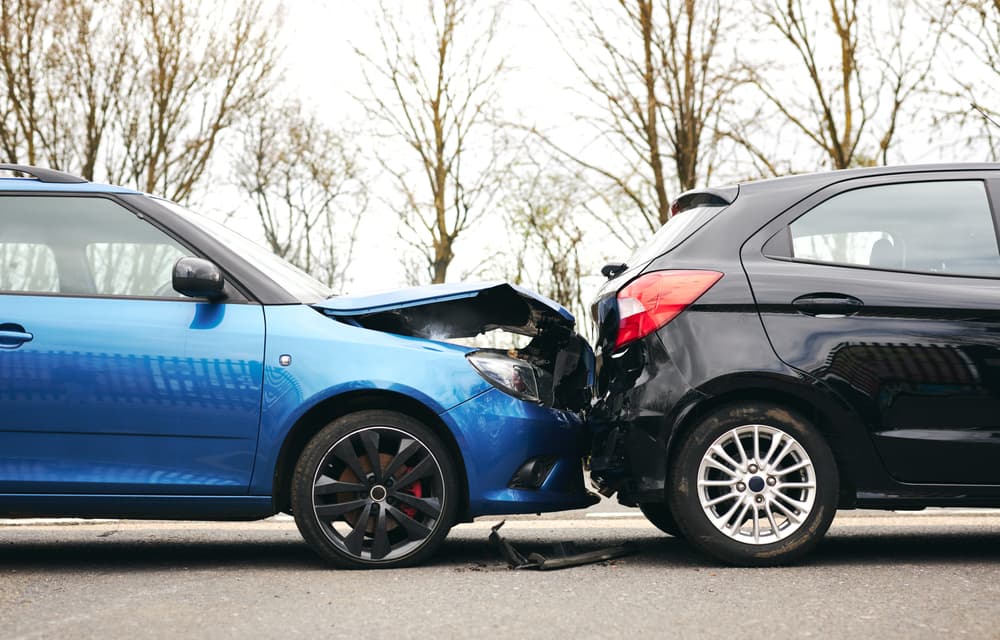
Car crashes happen in seconds but their impact lingers for years. While most people think of injuries like broken ribs or concussions, trauma also affects the brain. PTSD is a condition recognized by doctors and courts alike, and it can completely reshape how someone lives after a wreck.
What is PTSD and how does it relate to car accidents?
PTSD is a mental health condition that develops after a traumatic event. For accident survivors, the trauma comes from the crash itself, the fear of injury, or the shock of sudden danger. Some people relive the event every time they get behind the wheel, while others avoid driving altogether. Even as physical wounds heal, PTSD keeps the person stuck in the moment of impact.
Common symptoms of post-accident PTSD
PTSD symptoms vary, but car accident victims often report:
- Flashbacks of the crash
- Nightmares that interrupt sleep
- Sudden panic when hearing loud noises like screeching tires
- Irritability or anger
- Withdrawal from friends and family
- Trouble concentrating at work or school
These symptoms disrupt daily routines and make recovery harder.
Timeline for PTSD development following motor vehicle accidents
Some survivors feel shaken right away, while others seem fine at first but notice symptoms weeks or months later. Doctors recognize delayed-onset PTSD, meaning the stress shows up long after the accident. This timing matters in legal cases, because a victim may not realize they’re suffering until well after the crash.
Can you sue for PTSD after a car accident in Virginia?
Accident survivors often wonder if the law only covers broken bones and medical bills. In Virginia, courts recognize both physical and psychological injuries. That means PTSD victims can file a claim when someone else caused the accident.
Virginia’s recognition of psychological injuries in personal injury cases
Virginia law allows victims to recover damages for mental health conditions linked to another person’s negligence. PTSD falls squarely in that category, especially when backed by medical evidence.
Legal requirements for proving PTSD damages
To succeed in a claim, you need an attorney to show:
- Another driver acted negligently, and that negligence caused the accident.
- The accident directly caused your PTSD.
- The PTSD created real harm in your life, such as medical bills or lost wages.
Difference between physical and psychological injury claims
With a broken arm, an X-ray provides proof. With PTSD, proof comes from therapy notes, psychiatrist records, and testimony. Both types of injuries deserve recognition, but psychological claims often face tougher pushback from insurance companies.
What compensation can you receive for PTSD in Virginia?

A fair settlement or verdict considers more than hospital bills. PTSD affects multiple areas of your life, and Virginia law allows recovery for several types of damages.
Medical expenses for PTSD treatment
Therapy, counseling, and medication cost money. Even with health insurance, copays and deductibles add up quickly. A legal claim seeks reimbursement for these expenses.
Lost wages due to PTSD symptoms
PTSD sometimes keeps people from returning to work. Nightmares can sap focus, and panic attacks may make commuting impossible. Lost income counts as damages, and courts consider both past and future wage losses.
Pain and suffering damages for psychological trauma
Courts recognize that living with PTSD causes real suffering. The law allows victims to seek damages for this invisible harm, which often lasts longer than physical injuries.
Long-term care and therapy costs
Some survivors need ongoing counseling for years. A settlement should include projected costs for continued care, ensuring victims don’t shoulder the burden later.
How do you prove PTSD in a car accident case?
Winning compensation requires evidence. PTSD claims demand careful documentation and support from professionals. Unlike a broken bone that appears on an X-ray, PTSD requires layers of proof to convince an insurer or a jury that the accident triggered a lasting mental health condition.
Medical documentation requirements
Therapy records, psychiatric evaluations, and medication lists all help prove PTSD. Without these documents, insurers often dismiss mental health claims. A complete record shows the timeline of your symptoms and treatment.
For example, if you began counseling two weeks after your crash and continued sessions for months, those records demonstrate consistency and seriousness. Courts give significant weight to official medical records, especially when they come from licensed professionals.
Expert testimony from mental health professionals
Psychologists and psychiatrists can explain your condition to a jury. Their testimony carries weight because it links the accident directly to the PTSD. For instance, a therapist could describe how your panic attacks began only after the crash and worsened when driving near the accident site. Expert testimony also rebuts insurance company claims that the victim is exaggerating.
Evidence of accident severity and trauma
Photos of the crash, police reports, and witness accounts all show how serious the event was. The more traumatic the accident looks, the easier it is to connect it to PTSD. For instance, if your car flipped multiple times or you had to be cut out by rescue workers, those facts paint a clear picture of a terrifying event.
Juries often respond strongly to graphic evidence that shows why anyone would be traumatized by such an experience.
Impact statements and witness testimony
Friends, family, and coworkers can describe how your behavior changed after the accident. These statements add credibility and show the daily impact of PTSD. A spouse might testify that you wake up screaming at night, or a supervisor might explain how you went from a steady employee to someone who avoids the office.
These accounts put a human face on medical records and help jurors understand how PTSD reshaped your life.
Combining multiple forms of evidence
No single piece of evidence usually proves a PTSD claim by itself. The strongest cases combine medical records, professional opinions, accident evidence, and personal testimony. Together, these create a full picture of what you experienced and how it continues to affect you.
For example, one successful claim in Virginia included therapy notes, testimony from the treating psychiatrist, photos of a totaled vehicle, and a coworker’s statement about the victim’s sudden decline in performance. The combination persuaded the insurance company to agree to a significant settlement.
Why detail matters in PTSD claims
Courts and insurers often look for consistency. If your therapy notes, medication history, and personal testimony all line up, the case becomes stronger. Small details matter, such as how often you miss work, how your sleep patterns changed, and how long you’ve been in treatment. The more precise your documentation, the harder it is for insurers to argue against your claim.
Virginia’s statute of limitations for PTSD claims

In Virginia, you usually have dos años from the date of the crash to file a personal injury lawsuit. Missing el estatuto de limitaciones deadline almost always ends your case.
Discovery rule exceptions for delayed PTSD diagnosis
Sometimes, PTSD appears long after the accident. Courts may allow exceptions when symptoms were discovered later, but proving this requires strong medical support.
Importance of timely legal action
Even if you feel fine today, talk to a lawyer soon. Gathering records, interviewing witnesses, and building a case takes time. Acting early protects your rights.
What insurance challenges exist with PTSD claims?
Insurance companies often fight mental health claims harder than physical ones. They know juries sometimes doubt what they can’t see, and they exploit that doubt.
Common insurance company tactics to deny PTSD claims
Adjusters may argue you’re exaggerating or that your symptoms don’t meet the PTSD definition. Some claim you’re just stressed, not suffering from a disorder.
Pre-existing condition arguments
Insurers often dig into your past, looking for old therapy visits or stressful events. They argue your PTSD came from something else. A lawyer helps counter these tactics with medical testimony.
Burden of proof requirements
The law requires victims to prove their case. Insurers lean on that burden, knowing victims without lawyers struggle to provide enough evidence.
Treatment options and recovery for car accident PTSD
Recovery looks different for everyone, but treatments exist that help people reclaim their lives.
Therapy and counseling approaches
Cognitive behavioral therapy, exposure therapy, and group counseling often help victims process trauma. Many combine several approaches for the best results.
Medication management
Doctors sometimes prescribe antidepressants or anti-anxiety medication. These drugs reduce symptoms enough for therapy to work more effectively.
Long-term prognosis and recovery expectations
With treatment, many people improve significantly. Some fully recover, while others manage ongoing symptoms. Either way, support and resources make a difference.
How our attorneys can help

PTSD claims require careful handling, and a skilled lawyer can make all the difference. At Allen & Allen, our attorneys have guided clients through these cases for generations.
Comprehensive case evaluation for PTSD claims
We review your accident, medical records, and personal story to build a strong case for compensation.
Coordination with medical professionals and experts
Our attorneys work with therapists, psychiatrists, and other specialists to present clear evidence of your PTSD.
Negociación con compañías de seguros
We push back when insurers deny or reduce claims, ensuring they don’t take advantage of your suffering.
Trial representation when necessary
If insurers refuse to take responsibility, we prepare your case for court. Our attorneys know how to present psychological injuries to juries.
Maximizing compensation for all damages
We pursue full recovery, not just immediate costs. That includes long-term therapy and lost future income.
Why choose Allen & Allen
Allen & Allen has served Virginia families since 1910, guided by integrity, respect, compassion, and trust. For more than a century, our attorneys have stood with accident survivors when they needed help the most.
We commit to more than simply providing you with legal representation. We commit to making your fight our fight, ensuring you are treated fairly by the insurance companies, and obtaining justice on your behalf.
That’s what we mean when we say “I am an Allen.” Our history proves our dedication, but our compassion shows in every client interaction.
Frequently asked questions about PTSD following a car crash
How long after a car accident can PTSD develop
PTSD may appear right away or months later. Some people don’t recognize their symptoms until long after the crash.
Will my insurance cover PTSD treatment costs?
Coverage depends on your policy, but insurers often push back. A lawyer helps ensure treatment costs are included in your claim.
Can I claim PTSD if I wasn’t physically injured in the accident?
Yes. Virginia law allows compensation for psychological harm even if you didn’t suffer a physical injury.
What if my PTSD symptoms are getting worse over time?
You should continue treatment and update your records. A worsening condition strengthens your case for damages.
How much is a PTSD claim worth in Virginia?
Every case is different. Value depends on medical bills, lost income, treatment length, and the severity of your suffering.
Contact our Virginia car accident attorneys now
PTSD claims carry strict deadlines, and waiting too long puts your rights at risk. Allen y Allen has protected Virginia families for over 100 years with compassion and dedication. Póngase en contacto con nosotros hoy for a free consultation and let us help you pursue the justice you deserve.